“Before Bean met Ivy, she didn’t like her”: Chapter books to recommend

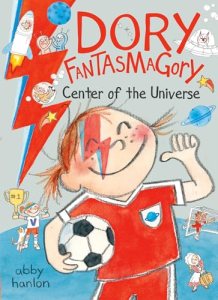
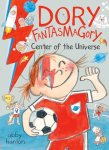
Cover of Dory Fantasmagory: Center of the Universe“Chapter books,” in my library, are what I think of as “bridge” books between early readers (think Frog & Toad, Elephant & Piggie, etc.) and longer, more complex fiction. Chapter books are the sweet spot for emerging readers whose decoding and comprehension has improved beyond early readers, but who may not yet be ready – in terms of reading ability or emotional maturity – for longer, in-depth works like Freewater, The Eyes and the Impossible, and The First State of Being (the last three Newbery medal winners). They often have black-and-white spot illustrations or even full color illustrations (like The Princess in Black and Our Friend Hedgehog), but they aren’t picture books.

Here, I want to focus on those chapter books that I find myself recommending to families over and over again at the library and out in the wild. If your favorite go-tos aren’t on this list, I’d love to hear about them too!

Series

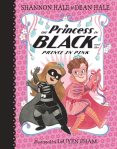
  • Cover image of The Princess in Black and the Prince in PinkThe Princess in Black by Shannon Hale, illustrated by LeUyen Pham: These are surefire hits for most kids moving out of early reader territory. Magnolia may look all pretty and proper in pink, but when the monster alarm goes off, she ducks into a closet, changes into all black, and goes off to fight monsters! The fight scenes have plenty of silly sound effects. The audiobooks, read by Julia Whelan, are exceptionally good.
  • Dory Fantamagory by Abby Hanlon: Dory is one of my all-time favorite characters, with a clear division between her real world (mom, dad, older siblings Violet and Luke) and her imaginary one (villain Mrs. Gobblegracker, fairy godmother Mr. Nuggy, and monster Mary under the bed). Throughout the series, Dory makes a best friend (The Real True Friend), struggles with learning to read (Dory Dory Black Sheep), plays soccer with a former enemy (Center of the Universe), and more.
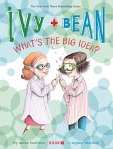
  • Ivy & BeanCover image of Ivy and Bean: What's the Big Idea? by Annie Barrows, illustrated by Sophie Blackall: The first book in this series has a killer opening sentence: “Before Bean met Ivy, she didn’t like her.” Soon, of course, the two are thick as thieves and get into all kinds of mischief together. My favorite book in the series is What’s the Big Idea?, where Ivy and Bean work together on a science project to make grown-ups love nature so they’ll want to protect it (it’s not as didactic as it sounds).
  • Desmond Cole, Ghost Patrol by Andres Miedoso and Eerie Elementary by Jack Chabert: These are series I recommend for kids who want something silly/scary/creepy/gross. They’re a little less horror genre than Goosebumps (but we have Goosebumps in the chapter book section too, for kids who want those!).
  • The Questioneers by Andrea Beaty, illustrated by David Roberts: Kids who loved the Questioneers picture books (e.g. Rosie Revere, Engineer), or who are familiar with the TV show Ada Twist, Scientist can move right up with Rosie, Iggy, Ada, and Sofia, who use teamwork and individual skills to solve problems and mysteries. Cover image of Jo Jo Makoons
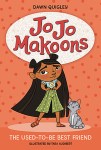
  • Jo Jo Makoons by Dawn Quigley, illustrated by Tara Audibert: Spunky seven-year-old Jo Jo lives on a fictional Ojibwe reservation (the first book in the series was an AILA middle grade honor book) and goes through all the usual kid conundrums, from making new friends to getting a snow day to facing a sleepover.
  • Book Buddies by Cynthia Lord, illustrated by Stephanie Graegin: In Ivy, Lost and Found, a formerly beloved doll ends up in a library collection for children to borrow. Each doll and stuffed animal in the collection gets a book for the adventures they have when they go home with the children who check them out. If young readers like this one, they might move on to Toys Go Out by Emily Jenkins or even The Borrowers by Mary Norton.
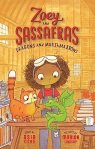
  • Cover image of Zoey and Sassafras: Dragons and MarshmallowsZoey & Sassafras by Asia Citro, illustrated by Marion Lindsay: This series is a brilliant blend of science (the scientific method) and fantasy (magical creatures and plants). It’s really fun!
  • The Story of Gumluck the Wizard by Adam Rex: A crow named Helvetica narrates this tale of a bumbling but good-hearted little wizard. Gumluck stories are light fairytale-ish fantasy with plenty of humor and a dash of philosophy.
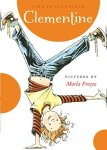
  • Cover image of ClementineClementine by Sara Pennypacker: I love, love, love third grader Clementine; she sits right next to Ramona Quimby in my heart. She lives with her family in Boston and refuses to call her brother by his given name (you never find out his real name, in all seven books) because it’s not fair she got stuck with a fruit name and he didn’t, so she always calls him different vegetable names (Cabbage, Spinach, Bok Choy, etc.). Her mom is an artist, her dad is the building handyman, and her upstairs neighbor Margaret is a perfectionist who frequently tells tales of the terrors of fourth grade. Jessica Almasy does an absolutely stellar job narrating the audiobooks, but don’t miss Marla Frazee’s interior illustrations.
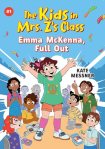
  • Cover image of The Kids in Mrs. Z's Class: Emma McKenna, Full OutThe Kids in Mrs. Z’s Class (Kate Messner, series editor): Five stars and two thumbs up for the concept and execution of this series, in which each of the 18 kids in Mrs. Z’s class at Curiosity Academy gets to star in their own book, each written by a different author. The series can be read in any order, though it’s not a bad idea to start with Messner’s series opener, Emma McKenna, Full Out. It’s a great way to introduce readers to a slew of authors whose books they may want to try next!

Standalone

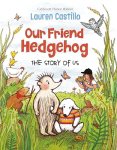
  • Cover image of Our Friend HedgehogOur Friend Hedgehog by Lauren Castillo: This absolute darling full-color illustrated story is about friendship and moving and journeys. There’s a sequel, A Place to Call Home, but I’m still putting it in the standalone category, because it does. Castillo also writes and illustrates picture books; Nana in the City won a Caldecott Honor.
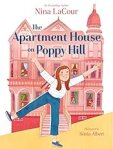
  • The Apartment House on Poppy Hill by Nina LaCour, illustrated by Sonia Albert: Nine-year-old Ella lives with her moms, and she is in everyone’s business! Cover image of The Apartment House on Poppy HillBut what is going on with her secretive upstairs neighbors? This one also has a sequel now (Ella Josephine, Resident in Charge), which is worth checking out. Ella is confident and organized, comfortable talking to adults and even helping them solve problems; she’s the kind of kid who dreams of leading meetings, and she’s fun to read about whether you are that kind of person yourself or not.
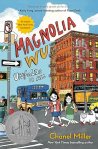
  • Magnolia Wu Unfolds It All by Chanel Miller: This 2025 Newbery Honor book is set in and around a New York City laundromat run by Magnolia’s parents. Cover image of Magnolia WuWhen Magnolia’s new friend Iris encourages Magnolia to return lost socks to their owners, it’s an opportunity for Magnolia to show Iris everything she loves about the city, even though Iris misses her old home. The two encounter anti-Asian hate, but they love and are proud of their families and their community, and they figure out how to smooth the bumps in their growing friendship and come out stronger together.
  • The Story of Diva and Flea by Mo Willems, illustrated by Tony DiTerlizzi: Now ten years old, this story still appeals, especially to animal lovers and/or kids who are interested in wandering around Paris vicariously.
  • Cover image of BunniculaBunnicula by James Howe: This “rabbit-tale of mystery” was published in 1979 and I contend that it holds up today. (There’s also a graphic novel version now.) Harold the dog and Chester the cat are appalled when their humans bring home a mysterious black and white rabbit they found while seeing the movie Dracula; Chester believes “Bunnicula” is a vampire bunny and goes to great lengths to vanquish him, to Harold’s unease. Pun-filled sequels follow (Howliday Inn, The Celery Stalks at Midnight), but the original stands alone.
So, those are some of my go-to recommendations. What’d I miss?

NELA 2025: Soaring Together

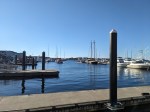
Blue sky and blue water in Newport, RIThe official theme of this year’s New England Library Association (NELA) conference in Newport, Rhode Island, was “Soaring together: Empowering librarians to lead.” I attended only one day of the conference, but as usual, it was a good day with informative panels, friendly vendors (hi, Islandport Press!) and a chance to connect with librarians across the region, including grad school classmates and former co-workers (hi, Katie!), and make new connections (hi, Martha’s Vineyard librarians!).

Let’s jump right in, and I’ll be as concise as I can!

Elizabeth (Liz) Bull from the University of Southern Maine presented “Feeding the Community: Libraries as Centers of Food Security.” Being an academic librarian, she made a LibGuide with definitions and resources. Here are a few takeaways from her talk, as well as contributions from the audience:

  • Forty-seven million people, including 14 million children, experience food insecurity annually in the U.S.
  • A food pantry or “community care corner” in a library meets people where they are – and brings new people into the library. Some people feel more comfortable visiting the library than a food pantry, or can’t get to a food pantry during its open hours.
  • Donations should not be placed directly in the food pantry area, but should be funneled through staff. This keeps the area neat and well-stocked, and helps staff keep track of the volume of food and other items going out; those numbers are useful to demonstrate the program’s worth.
  • Hygiene items are also needed; a librarian from Hyannis, MA, suggested the resource Aunt Flow for menstrual products.
  • One library has a “tree” with paper “leaves” in its teen room; teens can take a leaf from the tree, bring it to the library desk, and collect the item written on the back of the leaf (a snack, a tampon or pad, etc.)
  • For those who work with children: do not use consumable food (e.g. uncooked rice, pasta) in sensory bins or art projects. Be sensitive to those experiencing food insecurity.
  • Partner with other community organizations, and explore grant opportunities!
  • Get buy-in from staff so “everyone is pulling in the same direction” and the program doesn’t collapse if the one person running it leaves; on the other hand, Food Pantry Manager can be its own position.
  • Too Good to Go is an organization/app that aims to reduce food waste; see if it’s active in your area (in New England, it looks like it’s in Boston, Providence, and Portland so far).

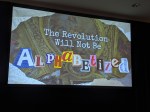
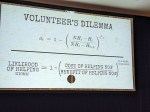
Intro slide for The Revolution Will Not Be AlphabetizedClayton Cheever from Norwood, MA and Allyson Malik from Oak Bluffs, MA, presented The Revolution Will Not Be Alphabetized: The History & Future of Good Trouble in Libraries.” Although libraries and librarians have not always been on the right side of history, many of us are following the late Representative John R. Lewis’s famous encouragement to get in “good trouble” now. Libraries are that “third space” where all are welcome to come and find resources – whether that means books, connecting with a social worker, or attending a joyful storytime or other event. The presenters introduced “the Volunteer’s Dilemma” (surprising an audience not used to seeing mathematical formulas) that explains how a group can benefit from an individual (or individuals) making a costly sacrifice (think of the old Oregon Trail computer game). Slide of the Volunteer's Dilemma formulaAfter running through a toolkit (Communication, Services, Collection, Programs, Policies, Technology), the audience received scenarios to consider in small groups and report back. See also: The Library Freedom Project.

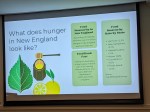
“Keeping the People Fed: Food Bank and Library Partnerships Across New England” brought together librarians and food bank employees from Massachusetts, Connecticut, and Rhode Island to discuss different partnerships and initiatives. Because the federal government is no longer collecting and sharing data on food insecurity, Feeding America is the current best resource for this type of information. And due to the ongoing government shutdown, November SNAP benefits are threatened, putting an overwhelming strain on food banks; “SNAP is the first line of defense, food banks are second” (and lots of people rely on both).Slide, "What does hunger in New England look like?"

Caitlin Kelley, Montague (MA) library director, talked about how she and her staff grew one shelf into a larger food pantry, including a refrigerator and chest freezer, in their small branch library. “This expansion was only possible with collaboration” with the Western Mass Food Bank, local organization Heartwings, a Community Development block grant, a United Way grant, and a grant from ARSL. “By working together we’re able to enhance our offerings” – and see benefits like a 26% increase in visits to the branch, increased partnerships, a changed perception about what libraries do/are, and more full bellies in the community.

Intro slide of Patron-Inspired ProgramsFinally, Pioneer Valley Performing Arts (PVPA) librarian Austin Clark and I presented on “Patron-Inspired Programs,” including different ways of communicating with patrons/students and trying out the programs they seem interested in. Sherborn librarian Quincy Knapp contributed slides as well (thanks, Quincy!) when our third panelist had to drop out a few weeks before the conference. Our slides are here.

Catherine Newman at Odyssey Bookshop

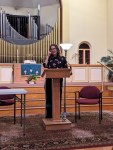
Catherine Newman standing at a podium in a churchWhen I discover an author I love, I will follow them across genres, formats, intended audiences…anywhere they go. Back in January 2024, I read We All Want Impossible Things with my book group, and loved it, so I went poking around to see what else this author had written. I found her middle grade novel One Mixed-Up Night, in which two kids, inspired by From the Mixed-Up Files of Mrs. Basil E. Frankweiler, hatch a plan to spend the night in an IKEA, and I loved that too. Then in July 2024, Sandwich made me laugh-cry and read so many parts aloud that my partner said to stop, he’d read the whole book himself (he did). And then I discovered Newman had also co-written a how-to book called Stitch Camp, which my kid and I both read, and two more how-to books for kids, How to Be A Person and What Do I Say? There are two more adult memoirs, Waiting for Birdy and Catastrophic Happiness, that I should probably pick up as well, and I’m eagerly awaiting my library copy of Wreck, the book Newman read from last night at Odyssey Bookshop (the event was organized by Odyssey, but as you can see from the photo, it was held in a nearby church to accommodate the size of the audience).

That’s how life is. You don’t yet know who you’ll become. -Catherine Newman, Wreck

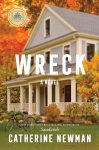
Newman is a wonderful speaker, and if you’ve read her books (and her newsletter, Crone Sandwich), it’s hard not to feel as though you know her (in that admittedly parasocial way). Cover image of Wreck by Catherine NewmanShe relayed a funny anecdote from that morning’s experience on Good Morning America (“Is that your hair? ….Great, great”) and read two sections from Wreck, followed by a Q&A. Audience members asked about her writing and outlining process, the semi-autobiographical quality of her writing, what she liked to read (Cammie McGovern, Lily King, and Samantha Irby), whether she read a lot as a kid (“Of course I read a lot as a kid. I mean didn’t we all? The nerdiest nerds”), and whether she might ever write more middle grade fiction (maybe, but One Mixed-Up Night didn’t sell as well as she hoped, and now she doesn’t spend as much time with middle grade kids, since hers are older, so…maybe not. But we can hope! I’ve got a ten-year-old she can borrow for research purposes…).

Fall (and Summer) Standouts

Back in early April I wrote about my “spring standouts,” books published in 2025 that I’d read and thought were stellar. I think I’d intended to write another in the summer and another in fall, so when it was time for my annual wrap-up, I’d have these to look back on…but here we are in mid-October. Whoops! All titles below were published in 2025 unless otherwise indicated (there are a few I couldn’t resist including). 

Picture BooksCover image of We Are the Wibbly

  • Anything by Rebecca Stead and Gracey Zhang: A book about a child who didn’t want to move, and a dad who makes their new apartment home.
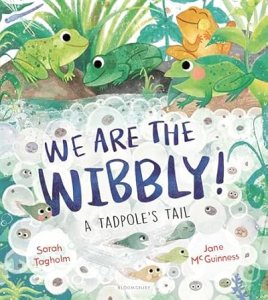
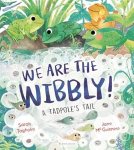
  • We Are the Wibbly by Sarah Tagholm and Jane McGuinness: Hands-down the funniest picture book of the year. Also, it contains enough information about the frog life cycle that SLJ reviewed it as “nonfiction,” although it has an awful lot of talking tadpoles to meet that bar.
  • Worm Makes A Sandwich by Brianne Farley: Oh, earnest worm! Adjust your definition of “make” and also the time you think it takes to make a sandwich, but what delicious results.
  • Ten Beautiful Things by Molly Beth Griffin and Maribel Lechuga: On a drive to a new home, adult and child find ten beautiful things along the way – a balance to the implied grief of losing a loved one.Cover image of Hurricane
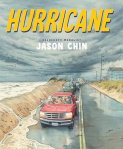
  • Hurricane by Jason Chin: Chin’s watercolor illustrations are always outstanding, and here they’re in service to what it’s like for a community to prepare for, experience, and recover from a hurricane. Powerful, and packed with information and touching details.
  • Where Are You, Bronte? by Tomie de Paola and Barbara McClintock: Tomie left the manuscript; Barbara’s illustrations honor Tomie (and Bronte) perfectly.
  • Some of Us by Rajani LaRocca and Huy Voun Lee: “Some of us are born here. Some of us choose.” A radiant book on what it means to be a citizen.
  • Bear Is A Bear by Jonathan Stutzman and Dan Santat (2021): Somehow I missed this when it first came out; loyal library visitors recommended it to me and I’m so glad they did. Some special objects travel from generation to generation.
  • The Music Inside Us by James Howe and Jack Wong: A biography of cellist Yo-Yo Ma that is appealing and approachable for kids; after we read it, we watched a few of the videos mentioned (his first visit to the White House, his appearances on Sesame Street and Mister Rogers).Cover image of A Fall Day for Bear
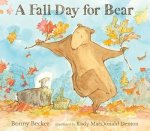
  • A Fall Day for Bear by Bonny Becker and Kady MacDonald Denton: Bear and Mouse (small and gray and…not so bright eyed?!) return, but their roles are reversed, keeping this beloved series fresh.
  • The Pink Pajamas by Charlene Chua: A story about family, grief, and passing skills along.
  • Five Little Friends by Sean Taylor: Essential for storytimes, especially baby storytimes! Excellent, participatory rhymes.
  • If You Make A Call on A Banana Phone by Gideon Sterer and Emily Hughes: One thing leads to another in this imaginative work; fans of Charlie & Mouse will recognize the art.Cover image of Cat Nap
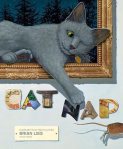
  • Cat Nap by Brian Lies: A cat-and-mouse chase like you’ve never seen before. A note from the artist explains his respect for traditional, physical media, and how he learned each different medium to make the book, from stained glass to woodworking, sculpture to oil paint.  
  • The 13th Day of Christmas by Adam Rex: Didn’t you ever wonder who that song was about? Now we know.

Middle GradeCover image of The Undead Fox of Deadwood Forest

  • How to Talk to Your Succulent by Zoe Persico: Sure, lots of people talk to plants…but sometimes, the plants talk back.
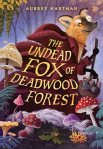
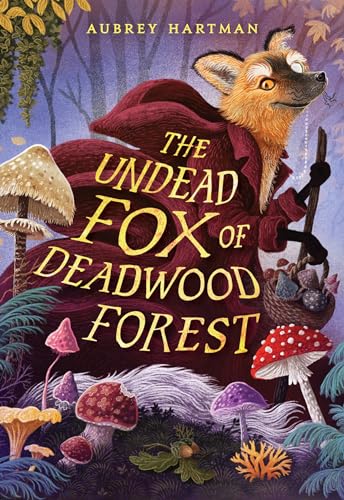
  • The Undead Fox of Deadwood Forest by Aubrey Hartman: A lonely undead fox guides other spirits through to their next stages, but is reluctant to pass through himself. Spooky, philosophical, and somehow cozy too; I would not be surprised or upset if this got some Newbery attention.
  • Batcat: Cooking Contest by Meggie Ramm: I love Batcat and Al so much. This time, they participate in a cooking contest at a fall festival.
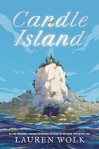
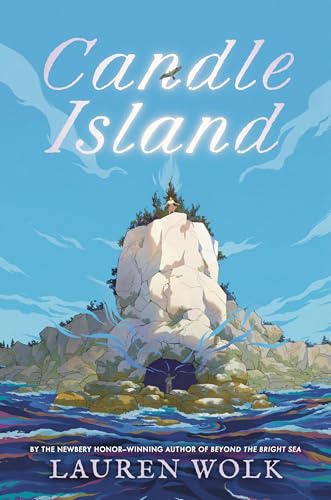
  • Candle Island by Lauren Wolk: A mother and daughter move to an island – a terrible place to keep secrets.Cover image of Candle Island
  • Oddball Histories: Spices & Spuds by Andy Warner: This informative graphic novel finally explains why salt and pepper were so darn important that countries were willing to invade and colonize for them.
  • So Over Sharing by Elissa Brent Weissman: This book couldn’t really have existed before the age of “influencers,” but its story of two daughters of “momfluencers” joining forces to make themselves heard is timely – and shows that sometimes, kids are savvier about privacy than adults are.
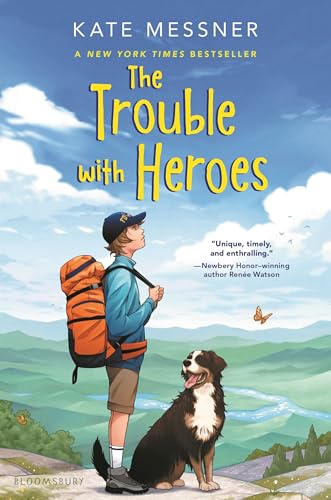
  • The Trouble With Heroes by Kate Messner: This novel in verse tackles all 46 Adirondack peaks, 9/11, and it has cookie recipes. And the dog is okay.
  • Into the Bewilderness by Gus Gordon: This charming, offbeat graphic novel is a classic grumpy/sunshine buddy comedy.
  • The Midwatch Institute for Wayward Girls by Judith Rossell: An orphan gloomy about her fate lands in a surprisingly magical place, where girls learn all kinds of useful skills and solve mysteries and crimes in their city. An absolute delight.Cover image of How to Say Goodbye in Cuban
  • How to Say Goodbye in Cuban by Daniel Miyares: Daniel’s main character here is his own father during Carlos’ childhood in Cuba, as Fidel Castro takes over and many people decide to flee. A sentence or two of historical context precedes each chapter, giving readers just enough to understand the story.
  • The Teacher of Nomad Land by Daniel Nayeri: An unusual WWII-era story set in Iran in 1941, with a fiercely devoted pair of siblings and a Jewish refugee at its center, and a theme of communication between people.
  • Dory Fantasmagory: Center of the Universe by Abby Hanlon: Dory joins a soccer team, and it goes exactly how you’d expect. Dory hasn’t lost any steam in her seventh book, and I laughed out loud more than once. Everyone in my family fought to be the first to read this one.Cover image of A World Without Summer
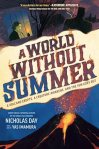
  • A World Without Summer by Nicholas Day: I loved last year’s The Mona Lisa Vanishes, and this one is even better because of the way it connects the climate shock caused by the eruption of Mount Tambora in 1815 to the climate change of today. The author’s style is quick and direct, and the tangents/B-plots are fascinating, from Mary Shelley’s Frankenstein to the velocipede to the naming of clouds and the study of weather.
  • Pocket Bear by Katherine Applegate: In WWI, some soldiers carried “pocket bears,” tiny companions to keep them company. In the home of modern-day Ukrainian refugees, Pocket Bear and other toys find a new lease on life and new homes. Poignant without being saccharine.
  • The Poisoned King by Katherine Rundell: This sequel (of a planned five-book arc) to Impossible Creatures is satisfyingly Shakespearean; Christopher Forrester returns from the first book to assist Princess Anya, and the dragons.
  • Rialto by Kate Milford (2026): Anxiety, amusement parks, a treasure hunt, a mystery; this is a brilliant stand-alone, but devoted fans will notice many little nods to earlier Milford books (especially The Raconteur’s Commonplace Book).

Young AdultCover image of Dan in Green Gables

  • The Judgment of Yoyo Gold by Isaac Blum (2024): Orthodox Jewish communities plus forbidden social media makes for a deeply relatable story.
  • Sunrise on the Reaping by Suzanne Collins: At last, Haymitch’s (bleak) story is revealed.
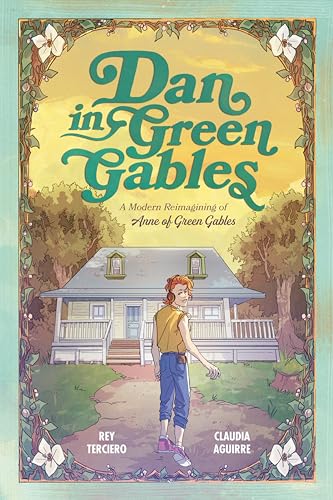
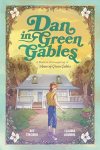
  • Dan in Green Gables by Rey Terciero: An irrepressible gay teen is dropped by his mother with grandparents he’s never met, and makes the best of a new situation, inspiring change in others and learning to be a bit more flexible as he does so. Joyful.
  • Vincent and Theo by Deborah Heiligman (2019): An incredibly well-researched deep dive into the brothers’ friendship and struggles, and the importance of Vincent’s sister-in-law in preserving his paintings and legacy.Cover image of Scarlet Morning
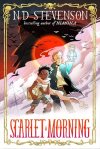
  • Scarlet Morning by ND Stevenson: Viola and Wilmur brave the peculiar dangers of their salt-encrusted world, adventuring with pirates and learning that the stories they grew up on are, in fact, still ongoing. Richly imagined; I want part two immediately.

Adult

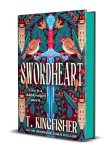
  • Swordheart by T. Kingfisher: This ensemble adventure quest is a perfect and deeply satisfying example of a heroine’s journey (see below). Cover image of Swordheart
  • Run for the Hills by Kevin Wilson: What if half-siblings started showing up out of the woodwork, and teamed up to hunt down a missing parent?
  • The Heroine’s Journey by Gail Carriger: Many readers and writers are familiar with the hero’s journey – but there’s another way of storytelling with completely different values and beats.
  • Time Loops and Meet Cutes by Jackie Lau: I do love a time loop romance. This one is cleverly done.
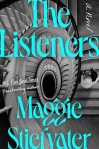
  • The Listeners by Maggie Stiefvater: Stiefvater’s first adult book (she’s been writing YA for years) knocks it out of the park, with a WWII-era story set in Appalachia, where a resort hotel is converted to hold Axis diplomats until they can be swapped to bring their Allied counterparts home. Cover image of The Listeners
  • The Nine Lives of Rose Napolitano by Donna Freitas: With this speculative premise, Rose’s life fractures into nine different timelines when she argues with her husband over (not) taking prenatal vitamins.
  • Memorial Days by Geraldine Brooks: Without the rituals of religion, the process of grieving is often shunted aside by the paperwork of death and the logistics of funeral planning. Years after her husband’s death, Brooks takes herself far away to grieve properly.
  • The Very Secret Society of Irregular Witches by Sangu Mandanna: Another heroine’s journey with a cozy magical ensemble cast (see also: The Teller of Small Fortunes, The House on the Cerulean Sea)
  • Dinner With King Tut by Sam Kean: Experimental archaeology seeks to learn about the past through hands-on experience: making and using tools to better understand the peoples of other times and places. Fascinating.Cover image of The Art of Ramona Quimby
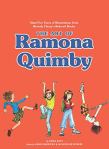
  • The Art of Ramona Quimby by Anna Katz (2020): This is technically an adult book…about children’s books. It’s the most riveting “coffee table book” I’ve ever read: a nostalgic trip through each book about Ramona Quimby and her family, presenting and comparing how each illustrator chose to represent the characters and scenes. 

The Heavy Medal and Calling Caldecott blogs are ramping up in preparation for youth book award season in January; I’m sure there will be more noteworthy books between now and the end of December. What have you read so far this year that you think more people should know about?

Quotes from 2026 Heavy Medal contenders

There are 96 suggested titles for SLJ’s Mock Newbery blog, Heavy Medal. Steven Engelfried challenged readers to find “words on the page” that demonstrated this year’s books’ excellence; here are some quotes I pulled from books eligible for the 2026 Newbery. Many are about grief, but they also touch on joy, friendship, and art.

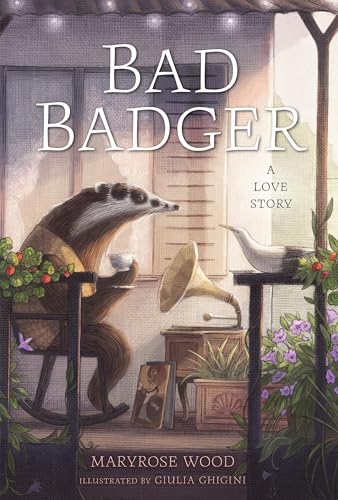
From BAD BADGER by Maryrose Wood:
Perhaps friendship was like that. Perhaps a never-ending parade of misunderstandings was to be expected. Perhaps there was always a sense of mystery about the ones we care for, no matter how fond we are, or how well we imagine we know them. (page 29)


From THE TROUBLE WITH HEROES by Kate Messner:
The nightmares never leave. They never fade.
And heroes aren’t allowed to be afraid. (page 153)


From CANDLE ISLAND by Lauren Wolk:
Some things required solitude.
Some things could be strangled by the idea of an audience, even one on its feet, applauding. (page 62)


From DAN IN GREEN GABLES by Ray Terciero:
“How do you do that? Go from Depeche Mode-depression to total joy in a few seconds?”
“Happiness is a revolution, one that everyone has a right to enjoy. But sometimes? You have to work really hard at it. Especially if it doesn’t come naturally.” (page 73)

(This one’s also got some fantastically funny, snappy dialogue, like Mawmaw asking “What’s an ascot?” and Dan replying “What’s a succotash?”)


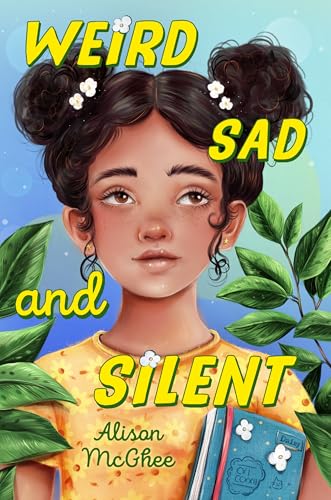
From WEIRD SAD AND SILENT by Alison McGhee:
Instead of visualizing, I’ve decided to call it futurizing. The future has not yet come. But I’m working on it. (page 3)


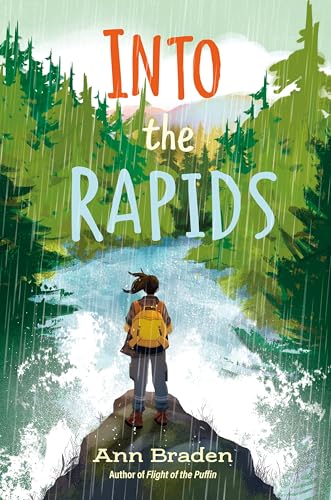
From INTO THE RAPIDS by Ann Braden:
How can I be so quick to understand that death can happen to anyone at any time, while simultaneously not being able to think about what it could have been like if someone hadn’t died? (pages 38-39)


From THE UNDEAD FOX OF DEADWOOD FOREST by Aubrey Hartman:
Mushrooms were not like animals or trees. They were soft and fragile, and they did not accept abuse: They stayed in the world only as long as it was gentle with them. (page 232)


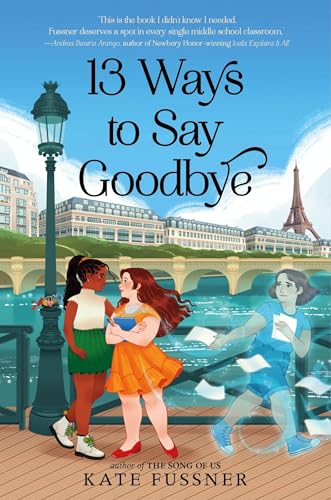
From 13 WAYS TO SAY GOODBYE by Kate Fussner:
I’m afraid to move forward without her, to become someone she’ll never know. (page 200)


Quotes from Books, XIII

Are you familiar with the sacred practice of florilegia? I wasn’t, until I started listening to the Harry Potter and the Sacred Text podcast (yes, I’m extremely late to that particular party. The podcast started in 2015 and I just started listening to it last year; I’m currently in the middle of the fifth book, in May 2019. The pandemic hasn’t happened yet). In florilegia, readers choose bits of a text that “sparkle” at them – “sparklets” – and put them in conversation with each other to gain a deeper meaning. The way Casper and Vanessa do it, each chooses one sentence or fragment, and they read them together, first in one order, then in the other. I’ve always thought of these quotes I pulled out as separate from each other, but reading them in pairs does prove interesting. The quotes below are from books I read between late May through early July of this year. They come from picture books, graphic novels, fiction and nonfiction.

  1. “It gets a bit tirin’, tryin’ to prove yourself to others. Some people are just never gonna see you the way you want to be seen, y’know? I reckon it’s best to please yourself first, and the ones who love you will get it.” (A Song for You and I by K. O’Neill)
  2. I don’t know what it is / that makes people want / to destroy things / they don’t understand. (Neshama by Marcella Pixley)
  3. The logical extension of objectification is dehumanization. (Girl on Girl by Sophie Gilbert)
  4. “Our whole lives are this weird performance for the approval of strangers.” (So Over Sharing by Elissa Brent Weissman)
  5. …every wish seemed to carve out a bigger hole in him, where more wanting could go. (Return to Sender by Vera Brosgol)
  6. For our heroine, friendship and found family signify safety, and safety is better than glory. (The Heroine’s Journey by Gail Carriger)
  7. And for the rest of the night, it was as if she held a sugar cube in her mouth, a slow, constant melt of sweetness. (Ravishing the Heiress by Sherry Thomas)
  8. It’s amazing how many possibilities there are in a single day. (Time Loops and Meet Cutes by Jackie Lau)
  9. Humanity finds a way. Sometimes it finds that way over and over and over again. (Brief Histories of Everyday Objects by Andy Warner)
  10. Maybe the things a person noticed were a big part of who a person was. (Ella Josephine, Resident in Charge by Nina LaCour)

And a bonus from Vera Brosgol: “Our smallest actions ripple through the world without us ever knowing the full consequences.

See previous Quotes from Books blog posts here.

Storytime Gold: Toddler and preschool read-alouds

Cover of Huff & PuffIt’s a funny thing that it can be much harder to write something short than something long. To tell a story as concisely as possible, you have to cut everything unnecessary. I haven’t counted, but I’d bet most of these books clock in at well under 500 words, and that’s just perfect for young ones, especially at library storytimes (their individual attention spans might be longer in a quieter environment at home).

Rhyming is a plus (Jamberry, Some Bugs, There’s A Bear on My Chair, etc.), concepts are good (The Very Hungry Caterpillar introduces counting, foods, and days of the week; A Seed Grows shows the life cycle of a sunflower), and a story with a pattern helps little ones follow what’s happening – and can deliver humor when the expectation established by the pattern is broken (The Giant Jumperee, Mr. Scruff). Books for littles can deal with managing feelings (The Rabbit Listened, Grumpy Pants), play with sound (Let’s Be Bees, Who Meows?), and even be interactive (Huff & Puff, There’s A __ In This Book).

Here are some of the books I reach for when I need short, captivating books for toddler and preschool storytimes:

  • The Rainbow Snail by Karin Akessoncover of Pete's A Pizza
  • Please, Mr. Panda by Steve Antony
  • Marta! Big and Small by Jen Arena
  • Every Monday Mabel by Jashar Awan
  • Roll, Roll Little Pea by Cecile Bergame
  • If I Was A Horse by Sophie Blackall
  • Hippos Go Berserk by Sandra Boynton
  • The Very Hungry Caterpillar by Eric CarleCover of Who Meows?
  • There’s A Bear on My Chair by Ross Collins
  • Jamberry by Bruce Degen
  • Some Bugs by Angela DiTerlizzi
  • The Rabbit Listened by Cori Doerrfeld
  • The Giant Jumperee by Julia Donaldson
  • Oh, No! by Candace Fleming
  • There’s A ___ In This Book by Tom Fletcher
  • Ten Little Fingers and Ten Little Toes by Mem FoxCover image of Let's Be Bees
  • Where Is the Green Sheep? by Mem Fox
  • Roller Coaster by Marla Frazee
  • The Odd Egg by Emily Gravett
  • Let’s Be Bees by Shawn Harris
  • Oh No, George! by Chris Haughton
  • A House by Kevin Henkes
  • Dig Dig Digger by Morag HoodCover of Every Monday Mabel
  • Mr. Scruff by Simon James
  • What Can A Mess Make? by Bee Johnson
  • Just One Flake / Just One Wave by Travis Jonker
  • A Cat Like That by Lester Laminack
  • Will Ladybug Hug? by Hilary Leung
  • Chicken Wants A Nap by Tracy MarchiniCover of Dig Dig Digger
  • Ten Little Squirrels by Bill Martin, Jr.
  • Grumpy Pants by Claire Messer
  • Who Meows? by Robin Page
  • Mister Kitty Is Lost! by Greg Pizzoli
  • A Seed Grows by Antoinette Portis
  • Somewhere in the Bayou by Jarrett and Jerome Pumphrey
  • My Spring Robin by Anne RockwellCover of There's A Bear on My Chair
  • Huff & Puff by Claudia Rueda
  • Little Penguins by Cynthia Rylant
  • One of These Is Not Like the Others by Barney Saltzberg
  • One Little Blueberry by Tammi Salzano
  • Pete’s A Pizza by William Steig
  • Goose by Laura Wall
  • Spots in a Box by Helen WardCover of Hello Hello
  • Hello Hello by Brendan Wenzel
  • More, More, More Said the Baby by Vera B. Williams
  • Hooray for Hat by Brian Won
  • Where’s My Nose? by Lucas Zanotti

What are your favorite books to share at preschool and toddler storytimes?

Related posts:

Baby Lapsit Storytime

Great Books to Share with Two- and Three-Year-Olds

Quotes from Books, XII

Why did I start this off in Roman numerals? I’m gonna be on real shaky ground after thirty (XXX). Fortunately there is a ways to go before then.

Once again, these quotes fall into a few natural buckets: funny/clever/sharp observations, poetic language, and theme. Quests, grief, magic…and snails’ teeth.

  1. That’s the thing with quests, she realized. You had to get back to where you started. And then you had to keep living. (Run for the Hills by Kevin Wilson)
  2. “You’re going to be sad forever, Lucy. But that’s not all you’ll be. There’s room for much more.” (Candle Island by Lauren Wolk)
  3. “Everyone has to learn how to do everything at some point. You don’t get extra points for learning early.” (The Things We Miss by Leah Stecher)Cover image of Gumluck and the Heroes
  4. “One day there won’t be any difference between you, except that you’ll have forgotten all the hurtful things you said to her, and she won’t. She will remember.” (The Story of Gumluck and the Heroes by Adam Rex)
  5. “What is the happening?!” (We Are the Wibbly by Sarah Tagholm)
  6. The enchantment is only there because everyone believes, together. (Kaya Morgan’s Crowning Achievement by Jill Tew)
  7. One doesn’t need magic if one knows enough stories. (Emily Wilde’s Encyclopaedia of Faeries by Heather Fawcett)Cover image of Emily Wilde's Encyclopaedia of Faeries
  8. “Did you ever notice that everyone thinks their own life is normal, but each person’s life is so different?” (Run Away With Me by Brian Selznick)
  9. Bereavement….happens to everyone. But you feel it alone. (H is for Hawk by Helen MacDonald)
  10. It seemed far more sensible to belong to a species that had evolved natural tooth replacement than to belong to one that had developed the dental profession. (The Sound of a Wild Snail Eating by Elisabeth Tova Bailey)

See earlier collections of “quotes from books” here.

Upselling in the library

“Upselling” is a sales term that refers to convincing customers to purchase additional items or a more expensive version of the same item. However, we can “upsell” in libraries too – and it doesn’t cost people anything! It’s just a way of promoting library materials or services that patrons may not be aware of…yet. For example:Booklist menu, with text on the left and book cover images on the right. Theme: Moving Homes

  • Readers’ Advisory: Someone is moving soon, and wants some books about moving to help prepare their child(ren). I can recommend a few – and I can also walk them over to the menu of booklists I made on frequently requested topics like moving, first day of school, new baby, and big feelings. This is also a good time to mention the Book Bundle service, where patrons can fill out a form and get personalized book recommendations.
  • Museum Passes: If a patron is checking out books about art or natural history, or mentions that they are looking for activities for the family, ask if they know about the library’s museum pass program. Patrons can reserve museum passes from the library for discounted or free admission!
  • Programs: When talking with families with kids in certain age ranges, make sure they’re aware about any programs you offer for kids in that age group – for instance, baby lapsit storytime for infants, Rhyme Time and Story Time for toddlers and preschool, STEAM and graphic novel book club for elementary-age students.
  • round Libby app iconE-books and Audiobooks: Do patrons know about Libby? Some parents/guardians may even be using Libby themselves for e-books and digital audiobooks, but aren’t aware that there are thousands of kids’ titles too! I make sure to mention this if a family tells me they have a road trip coming up, because audiobooks make long drives much better.
  • Library Network: Most public libraries belong to a consortium, a network of other libraries in the state that share materials. So, if my library doesn’t have a book, another library will lend it to us. Patrons can borrow it from their home library, return it to their home library, and the system will take care of getting the book back to its place. I use this system daily, but rather than taking it for granted, I appreciate how truly magical it is. And, with the simple but functional library app, patrons can place hold requests, see what they have checked out, renew items, and make lists.
  • Databases: Libraries have access to databases across a variety of topics: newspapers, language learning, test prep, even crafting! Although, with the administration’s drastic cuts to the Institute of Museum and Library Services (IMLS), database access in Massachusetts has been reduced lately.

How do you upsell in the library?

Quotes from Books, XI

This batch is from two years ago. The quotes from Horse, Black Bird, and Maizy Chen all seem thematically linked: when you see something wrong in the world, you can take action to help. The chipmunk joke is still one of my all-time favorites (to tell it properly, it must be accompanied by frenzied arm-waving).

  1. Through stories we can experience a person living an entirely different life. Through stories we can experience a vast range of challenging situations and intense emotions without actually suffering from them. The best stories broaden our horizons, deepen our thinking, and spark our compassion. The best stories help us make better real-world decisions. (How to Build A Human by Pamela S. Turner)
  2. Perhaps, after all, one’s purpose in this world was to be forgotten, not remembered. (Shrines of Gaiety by Kate Atkinson)
  3. “That is the world as it is. If you do not like it, join me in attempting to change it. Otherwise, keep your peace.” (Horse by Geraldine Brooks)
  4. “I can’t fix how I acted before. I can just change how I act in the future.” (Black Bird, Blue Road by Sofiya Pasternak)Cover image of Black Bird, Blue Road
  5. “…it’s an honor to help someone.”
    “How is it an honor?”
    “When you’re in a position to help, that means you’re in a good place in your own life.”
    (Maizy Chen’s Last Chance by Lisa Yee)
  6. “Where do chipmunks go in a tornado?” “All over the place.” (Violet and Jobie in the Wild by Lynne Rae Perkins)
  7. But we can’t pretend it didn’t happen – because when you pretend a thing didn’t happen, that means it can happen again. (Attack of the Black Rectangles by A.S. King)
  8. Each hour of sleep is an hour of healing. (“Sleep,” Marshmallow Clouds, Ted Kooser and Connie Wanek)
  9. It can’t go on, everyone said, but it kept going on. (Our Missing Hearts by Celeste Ng)Cover image of Our Missing Hearts
  10. Why did I tell you so many stories? Because I wanted the world to make sense to you. I wanted to make sense of the world, for you. I wanted the world to make sense.  (Our Missing Hearts by Celeste Ng)

What “sparklets” have jumped out at you from your reading lately?

See previous Quotes from Books here.